
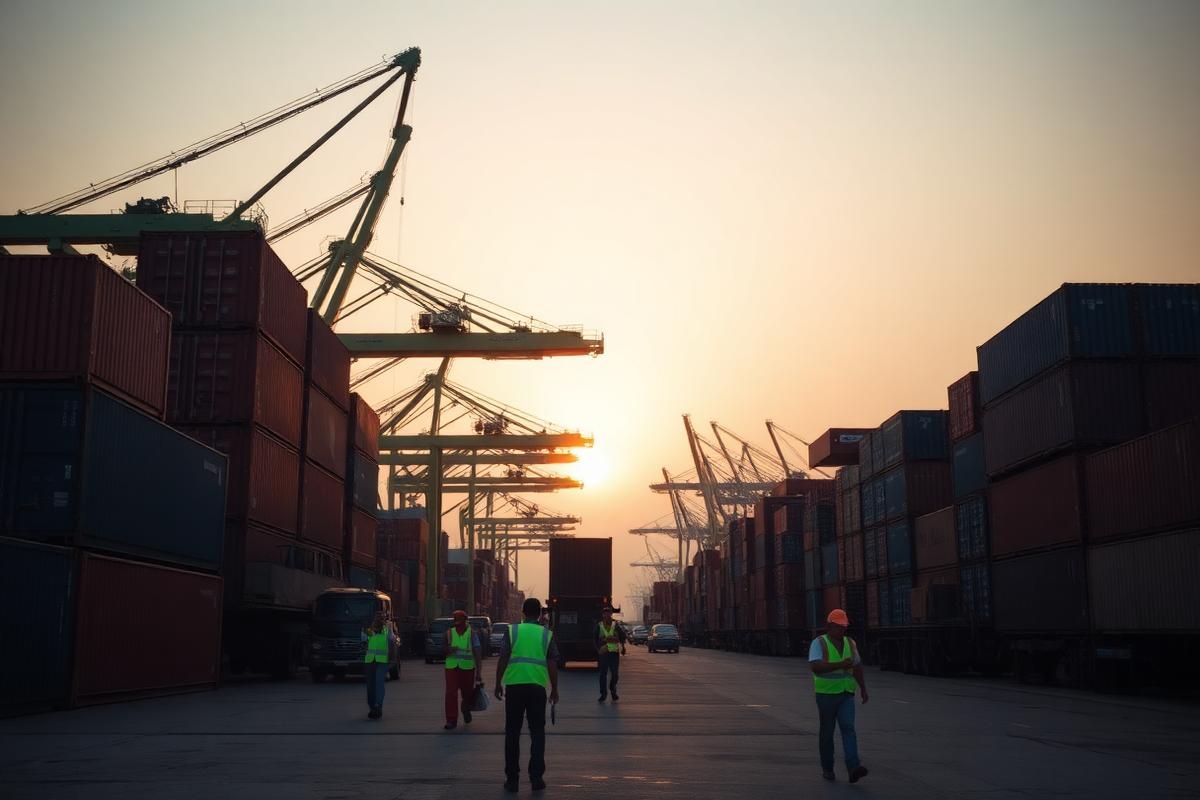
Container dwell times at the region's largest terminal have doubled since the start of the year, pushing carriers toward secondary ports with shallower berths but shorter queues.
The shift is reshaping local economies. Warehousing rents near two secondary ports have risen sharply, while logistics employment has fallen at the traditional hub.
Economists caution that the rerouting may prove temporary. "Infrastructure decisions made during a bottleneck often outlive the bottleneck," one trade economist said.